At Casa Capri, we offer expert, women-centered care in a supportive and nurturing space—designed by women, for women. With surgical treatments, care must be taken to avoid disturbing cartilage while leaving enough skin to ensure proper healing with minimal scarring. Moreover, it can rule out malignancies, ensuring an accurate diagnosis and appropriate treatment plan. The role of a physical examination in diagnosing rhinophyma, commonly misattributed to alcohol use, is critical.
Rhinophyma is a severe form of rosacea
The first thing you should do is seek a professional diagnosis from a reputable doctor. This will help you to pinpoint the cause and receive advice on how to treat your specific condition. Some experts believe it to be a severe symptom of rosacea, while other studies have found a link to sudden emotional responses such as stress. The nose may appear to get better for a while before the symptoms reappear and worsen.
Medical Detoxification
However, the term alcoholic nose is not a medically-recognized condition. Alcoholics nose, or drinker’s nose, is an informal term that refers to an enlarged purple or red nose thought to be caused by excessive alcohol consumption. There is a misconception that being an alcoholic will cause you to form a bulbous and red nose.
- Early signs of liver damage from alcohol include fatigue, weakness, and abdominal discomfort.
- It is not causing these conditions, it can simply aggravate them and it’s important to remember that they can be present even if the affected person does not drink alcohol at all.
- Similarly, two other studies found a connection between drinking alcohol and an increased risk of rosacea.
Alcoholic Nose: Can Alcohol Affect the Appearance of the Nose?
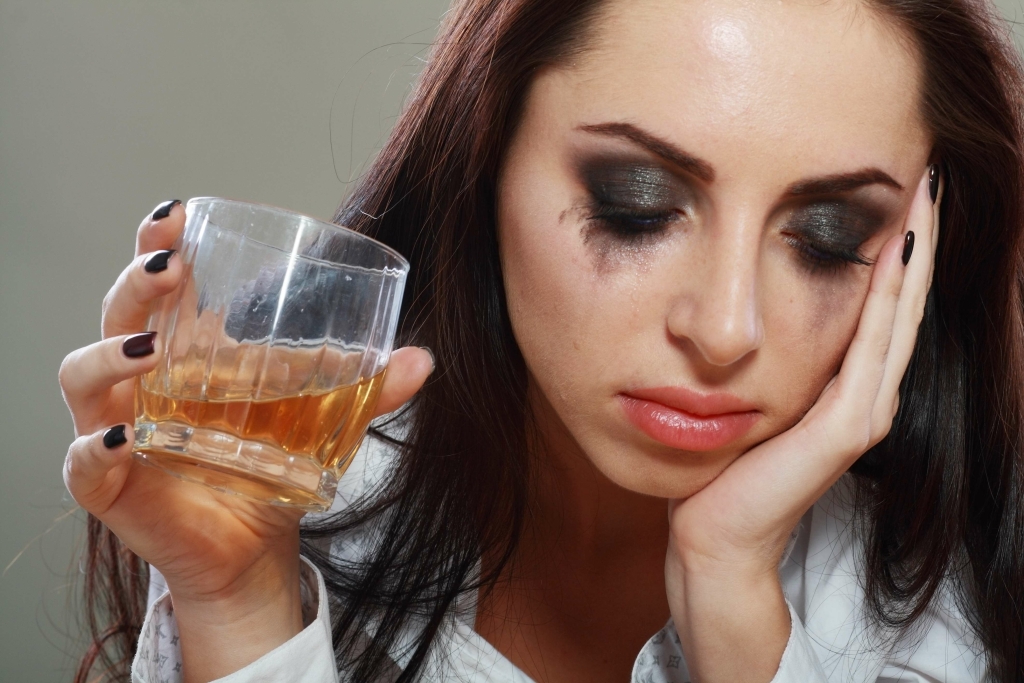
Because drinking alcohol has been found to make rosacea worse in some people, it may also contribute to worsening the symptoms of rhinophyma. While some people may experience flushing or redness when they consume alcohol, this doesn’t mean those people all suffer from rhinophyma. Wrong assumptions based on similar traits, such as flushed skin after drinking, have led to misinformation about the true causes of the condition. While women can be diagnosed with the condition, it is found much more commonly in men. People with fair or light skin tone, or those with a family history of rosacea, are more likely to develop rhinophyma.

Treatment for Rosacea
This stereotype persisted partly because alcohol consumption can temporarily worsen rosacea symptoms, including facial redness and inflammation. With that being said, if you have either of these skin conditions, your symptoms may be worsened if you consume alcohol. As the condition worsens, the redness may deepen to a dark, ruddy color and blood vessels may become visible in the affected areas. Pimples and bumps may appear and in severe cases, excess tissue may make the nose appear swollen and misshapen, creating the bulbous nose effect.
- If you have rhinophyma, the shape, appearance and color of your nose changes gradually.
- Additionally, men may be less likely to seek early treatment for rosacea symptoms, allowing the condition to progress to more advanced stages.
- While the relationship between alcohol and rhinophyma has been historically linked, modern medical research has dispelled the myth that heavy drinking is the key cause of the condition.
People who drink heavily are more likely to aggravate and worsen the symptoms of both rhinophyma and rosacea, although alcohol is not known to specifically cause these conditions. If this skin condition is left untreated, it can severely affect the appearance of the nose. It may become lumpy and misshapen, and the tip of the nose can become so enlarged that it obstructs the nostrils. Even if your rosacea is not specifically caused by alcohol, drinking can worsen the symptoms and cause a flare-up. It is thought that diet may contribute, particularly alcohol and spicy foods.
- However, the true reason for this disfiguring condition has no clear causative trigger.
- Drinking alcohol has been debunked by research as a direct link to this condition.
- What is commonly called “alcoholic nose” is actually a skin condition called rhinophyma (Greek for “nose growth”).
- Lifestyle changes are important for prevention, advising patients to avoid triggers like alcohol, spicy foods, and temperature extremes that worsen rosacea symptoms.
Brandi was the liaison for the Fresno County Jail ensuring those on conservatorship and incarcerated were able to get needed mental health and SUD treatment. Brandi also had a private practice where she practiced her specialty in animal-assisted therapy in conjunction with psychotherapy. She oversees all operational and clinical staff and ensures the treatment is of the utmost quality, from the client’s arrival to discharge. Misconceptions stem from believing rhinophyma is only linked to alcohol.
Alcoholic nose is a slang term for rhinophyma
When a person has a pre-existing issue with rosacea or rhinophyma, it can irritate the disorder and worsen symptoms. Avoiding these triggers may help keep the scarring caused by rhinophyma at bay, and doctors may choose to treat rosacea and rhinophyma with anti-inflammatories and topical antibiotics. When a person is concerned they may have rhinophyma, or any other form of rosacea, a doctor can usually diagnose bulbous nose alcohol this condition by observing the patient’s face.

While historically linked to chronic alcohol heavy use, modern research indicates that the condition is not directly caused by alcohol consumption. Instead, rhinophyma is a severe subtype of rosacea, a skin disorder that can be exacerbated by alcohol but is not exclusively related to it. Rosacea has four subgroups, with rhinophyma usually being considered the worst of them. It is a progressive and chronic skin condition that develops over the course of several years.
Finding Treatment and Healing From Alcoholism
Films and TV shows commonly show those with an alcohol addiction to have a large red nose. It can aggravate the symptoms of rhinophyma and rosacea which can cause the appearance of an alcoholic nose, but it is not thought to cause it. It’s a physical sign tied to rosacea, exaggerated by alcohol’s effects, not a direct result of drinking alone. The National Rosacea Society notes 14 million Americans have rosacea, with only a fraction developing rhinophyma 1. Still, its link to alcoholism brings it into our treatment conversations.
The vessels on the nose enlarge, cysts and pustules may erupt, making the skin extra oily, and the tissues on the end of the nose appear to expand. drug addiction In severe cases, without intervention, the nose may become completely enlarged and disfigured, and the condition may spread to the chin or ear. Additionally, it is important to remember that not all alcoholic spirits have the same effect on skin conditions.
Leave a Reply