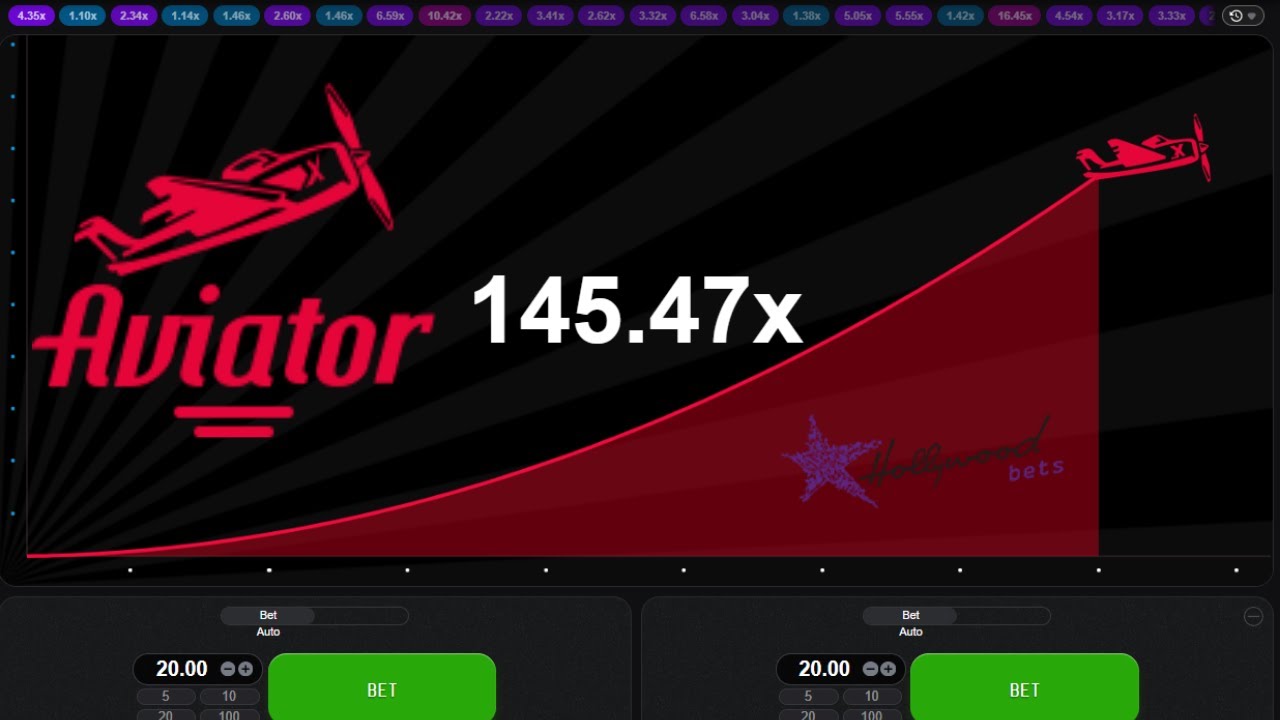
This year, our family is attempting something entirely new for our traditional Easter egg hunt. We’re skipping the foil-wrapped chocolate placed in the garden. Instead, we’re all gathering around a screen for a different kind of excitement. We realized that Aviator, a social multiplayer game, gives our holiday a contemporary, engaging twist. We don’t gamble real money. For us, it’s about the mutual suspense and the group’s applause. It’s evolving into a new custom that aligns with our digital lives and our Canadian way of operating.
The Shift from Candy to Shared Anticipation
For as long as I can remember, our Easter Sunday had a expected rhythm. The kids would rush outside with their baskets, hunting under bushes and behind flowerpots. The excitement was over fast, usually dissolving into a sugar rush. Last year changed everything. A rainy Vancouver afternoon left us all indoors. An older cousin brought out a laptop and showed us the Aviator game. We viewed a little plane on the screen, a multiplier growing beside it as it soared. Together, we each decided when to cash out in a race against the plane’s random disappearance. The room echoed with laughter and groans. It was a form of dynamic engagement a piece of chocolate hidden in the grass could never create.
That ordinary afternoon transformed a mostly solitary activity into a real group affair. Aviator’s mechanics are straightforward: watch a plane climb, and watch a multiplier increase. That builds a tension everyone feels, from the grandparents to the moody teens. Nobody needs to study a rulebook. We’re all concentrated on the same moment, debating over strategy and experiencing the same emotional rollercoaster. It introduced a layer of conversation and shared experience to our holiday that just wasn’t there before.
Grasping Aviator’s Attraction for Collective Play
Aviator works for families because it’s simple and it’s a collective spectacle. The game presents a obvious graph. A plane ascends, and a number commences climbing from 1x. Everyone in our group quietly picks a moment to cash out before the plane flies away on its own. This creates a engaging social dance. We monitor each other’s faces. We catch a victorious shout from an uncle who cashed out at 3x, and understanding groans for a cousin who got greedy and lost their virtual bet.
We stick to play-money modes or just maintain score on a notepad. This removes any financial pressure off the table and lets us to zero in on the fun of guessing and managing risk. The game transforms into a lesson in gut feeling and patience, all packed into two-minute rounds. For a mixed-age group in a Toronto condo or a Calgary living room, it’s an activity that actually bridges the generation gap. All it requires is a sense of suspense.
Organizing Your Own Family Aviator Session
Organizing a family Aviator event is easy, but a little planning makes more fun and fair. My first step is confirming we’re on a reputable site’s demo or fun mode, where real money isn’t involved. I link my laptop up to the big TV in our Ottawa living room so everyone can observe the climbing multiplier clearly. We give everyone the same starting virtual bankroll, maybe 1,000 points. This evens the field and lets us to follow scores over many rounds.
We also establish a few house rules to keep things light. The main one is that comments have to stay supportive. No criticizing someone for cashing out too early or too late. We sometimes hold mini-tournaments, designating an “Easter Aviator Champion” based on who increased their fake bankroll the most. This bit of organization, mixed with play, turns the game into a proper family event. It creates inside jokes and stories we bring up months later.
Blending New Tech with Old Traditions
Introducing Aviator to the day doesn’t indicate we’ve dropped our old Easter traditions. We still share a big family meal. We still talk about the holiday’s meaning. Now, though, we have a ready-made indoor activity for when the Winnipeg afternoon gets chilly, or when everyone falls into a slump after dinner. We engage in a few rounds here and there throughout the day. The games act as fun little breaks between eating, talking, and everything else.
This mix appears very Canadian to me. We’re embracing of new digital fun, but we cling to the idea of family time. The technology here actually helps us connect. Instead of slipping into separate corners with our own devices, we’re all focused on one screen, waiting for one outcome. We’re enjoying something that feels both modern and deeply communal. It’s a new thread in the fabric of our family story.
Safety and Responsible Play as a Key Priority
Since I’m the one who brought this game to the family, I set the rules of engagement very clear. Our Aviator hunt is strictly for fun, using pretend points. We talk about how the game works, stressing that the result is always random. The plane can fly away at any second. This offers us a natural, low-pressure way to discuss probability and remaining composed with the younger kids.
This responsible mindset is not open to discussion. We approach the activity like any other board game—a bit of fun driven by chance. By maintaining it completely separate from real gambling, Leading Aviator, we preserve the lighthearted spirit of the event. This keeps our new tradition a healthy, positive part of the holiday. The focus stays where it should be: on the thrill of the moment and some friendly competition.
Building Lasting Memories Outside the Screen
The greatest surprise from our Aviator Easter was the memories we’ve made. We’re not just recalling who found the most plastic eggs. We’re thinking about the time Grandma, with a defiant grin, cashed out at a huge 10x multiplier. We recall the hilarious chain reaction when one person’s nervous bailout made everyone else panic and cash out too. These stories are joining our family lore. We share them at later gatherings with the same feeling as stories about epic egg hunts from years ago.
The digital aspect of the game also allows us to include more people. Relatives who couldn’t make the trip to our home in Halifax can participate through a video call. They join the same rounds and feel the same excitement with us in real time. It’s been a wonderful way to connect from coast to coast, bringing the family feel closer even with thousands of kilometers between us. This tradition creates connection in a way that makes sense for our times.
The Next Chapter of Family Game Nights
Our Aviator egg hunt experiment transformed how I think about family game time. It revealed me that digital games, if we use them with clear purpose and boundaries, can be powerful social tools. They build common ground where different generations can interact. Everyone is united by simple, compelling action. This success makes us consider other social multiplayer games for different holidays and regular weekends.
This new tradition isn’t about substituting the past. It’s about helping our traditions grow. It recognizes that the ways we discover joy and bond with each other can change. For our Canadian family, it addressed a holiday problem: how to include everyone from kids to grandparents. It proved that sometimes, the best hunts aren’t for chocolate. They’re for those shared moments where we all hold our breath together, then cheer.